
1. Expertise and Experience
Professional roofing companies bring years of experience and technical expertise to every project. This ensures:
– Proper assessment of your roof’s condition.
– Accurate identification of issues such as leaks, structural damage, or poor insulation.
– Efficient installation or repair techniques that follow industry standards.
By working with experienced professionals, you can trust that the work will be performed correctly the first time, minimizing costly mistakes.
2. Access to High-Quality Materials
Established roofing contractors have access to premium-quality materials that may not be readily available to the general public. Benefits include:
– Longer-lasting roofs due to superior material quality.
– A variety of material options tailored to your design and budget preferences. – Manufacturer-backed warranties for added peace of mind.
Using high-quality materials ensures that your roof can withstand weather conditions and remain durable for years.
3. Safety Measures
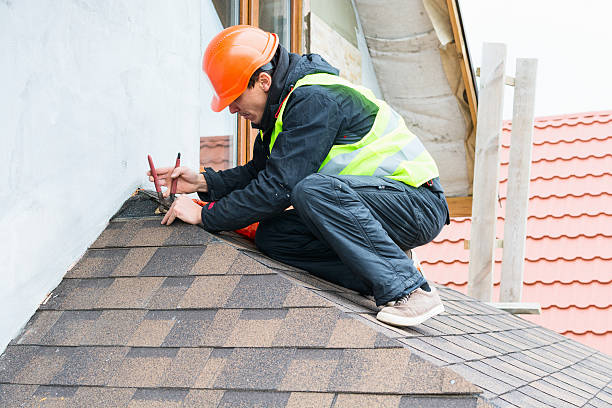
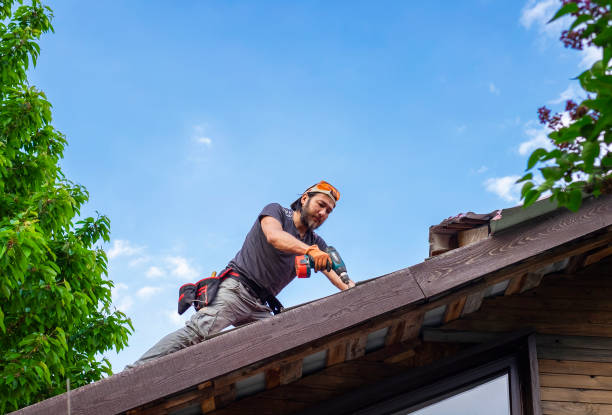
Roofing work carries inherent risks due to heights, heavy materials, and complex equipment usage. Professional roofing companies prioritize safety by:
– Using proper safety equipment like harnesses and helmets. – Training their team on OSHA (Occupational Safety and Health Administration) safety guidelines. – Minimizing on-site accidents through best practices and rigorous protocols.
Hiring experts protects you from potential liabilities associated with unsafe DIY efforts or unqualified contractors.
4. Cost-Efficiency in the Long Run
While hiring professionals might seem more expensive initially, it often proves cost-effective over time because:
– The job is done right without requiring frequent repairs. – High-quality craftsmanship extends the lifespan of your roof. – Contractors help you avoid costly errors during installation or repair.
The investment in professional services can prevent unexpected expenses down the line.
5. Time-Saving Solutions
Roofing projects often take longer when handled by inexperienced individuals or smaller DIY teams. Professional contractors streamline the process through:
– Detailed project timelines tailored to your schedule. – Teams large enough to handle jobs efficiently without cutting corners. – Their familiarity with different types of roofs, allowing them to anticipate challenges before they arise.
By entrusting professionals with your project, you save valuable time while ensuring top-notch results.
6. Warranty Coverage and Post-Service Support
| Aspect | Description |
| Labor Warranty | Covers workmanship errors or issues caused during installation/repair processes. |
| Material Warranty | Protects against defects in manufacturer-supplied products used for the roof. |
Post-service support ensures any future concerns are promptly addressed without incurring additional costs.
Final Thoughts on Roofing Services Minneapolis MN
Hiring a professional roofing company is a smart choice for homeowners who want reliable results paired with expertise-driven service. From enhanced safety measures to access to quality materials and extended warranties, these experts provide long-term value that’s hard to achieve through alternative routes like DIY efforts or hiring unqualified installers.
How a Minneapolis Roofing Company Ensures Safety and High-Quality Results on Every Job
When it comes to roofing projects, safety and quality are two pillars of success. Professional roofers bring significant expertise and systems to ensure that every job is completed to the highest standards. Below, we explore how professional roofing contractors prioritize safety and deliver exceptional results for both residential and commercial projects.
Ensuring Roof Repair Meets Industry Standards
One of the primary factors distinguishing professional roofers is their commitment to adhering to established industry standards. This includes:
– Compliance with local building codes and regulations.
– Utilizing OSHA (Occupational Safety and Health Administration) guidelines for workplace safety.
– Meeting manufacturer specifications for installation techniques, ensuring warranties remain valid.
By following these protocols, professionals not only ensure the longevity of your roof but also protect your property from potential legal or structural complications.
Advanced Training and Certifications
Professional roofing contractors typically undergo extensive training programs that cover:
– Proper installation techniques for various roofing materials such as asphalt shingles, metal panels, or tiles.
– Best practices for working on steep slopes or challenging angles.
– Regular updates on emerging trends and technologies in roofing construction.
Moreover, many reputable companies hold certifications from manufacturers like GAF or CertainTeed, which demonstrate their ability to meet strict quality benchmarks.
Comprehensive Safety Measures
Roofing is inherently a high-risk activity due to factors like heights and weather conditions. Expert roofers address these risks with:
– Personal protective equipment (PPE), including harnesses, helmets, gloves, and non-slip footwear.
– Ladder stabilizers, scaffolding systems, and fall protection gear to prevent accidents.
– Risk assessments performed before starting any project to identify potential hazards.
These practices minimize the risk of accidents while ensuring that both workers and homeowners remain safe throughout the process.
The Use of High-Quality Tools and Materials
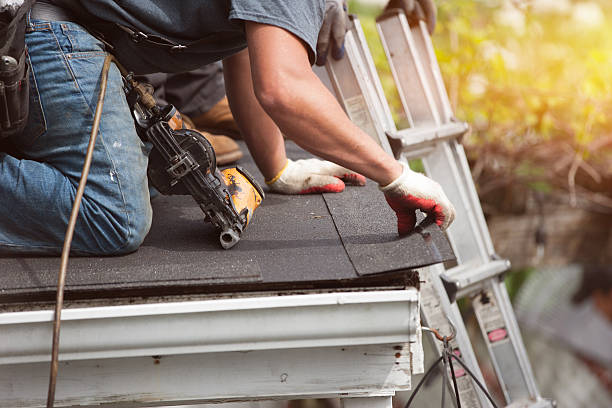
Professional roofers invest in modern tools such as pneumatic nail guns, moisture meters, infrared scanners (to detect leaks), and precision cutting saws for efficiency. In addition:
| Material | Benefits |
|————————–|————————————————–|
| Premium Asphalt Shingles | Enhanced durability; better resistance to wind |
| Metal Roofing Panels | Longevity; eco-friendly; fire-resistant |
| Synthetic Underlayment | Superior water resistance; increased lifespan |
Such materials contribute significantly toward ensuring a flawless finish that can withstand harsh weather conditions over time.
Quality Control Inspections
Another hallmark of professional roofers is their dedication to quality control at every stage of the project:
1. Initial Inspection – Comprehensive evaluation of your current roof condition before starting any work.
2. Midpoint Checks – Ensures proper alignment during underlayment installation or shingle placement. 3. Final Walkthroughs – Confirms all work meets customer expectations while addressing any concerns.
This layered approach guarantees that all aspects of the project are carefully monitored from start to finish.
Tailored Solutions for Unique Needs
Professional contractors recognize that every property is unique in its design and functional requirements. By customizing solutions based on:
– Roof pitch/slope considerations. – Local climate conditions. – Aesthetic preferences aligned with architectural designs—homeowners receive a result tailored specifically for them.
Engaging experienced professionals ensures not only an aesthetically pleasing outcome but also structural integrity built with longevity in mind.
By combining expertise with rigorous attention to detail at every step along the way, professional roofers provide unparalleled value through safety-focused processes paired seamlessly alongside high-quality craftsmanship tailored explicitly around homeowner needs/preferences
How Professional Roofers Ensure Safety and High-Quality Results on Every Job
Hiring professional roofers is not just about completing a project; it’s about ensuring safety and delivering exceptional quality throughout the process. Roofing is one of the most hazardous construction jobs, and executing it without the necessary expertise can lead to accidents or poor workmanship. Professional roofing contractors approach each project with a focus on safety protocols, advanced techniques, and adherence to industry standards, ensuring both the workers and your property are protected.
Comprehensive Safety Measures
- Use of Personal Protective Equipment (PPE): Helmets, harnesses, gloves, and other protective gear are standard for workers on-site to minimize accidents.
- Fall Prevention Systems: Roofers often install guardrails or use anchor points for secure tie-offs when working at elevated heights.
- Weather Monitoring: Professional contractors schedule work based on favorable weather conditions to avoid slips or material damage from rain or high winds.
- Regular Safety Training: Team members undergo continuous training in updated safety practices to stay compliant with industry regulations.
Ensuring High-Quality Results
- Thorough Inspections: Before starting any job, professional roofers conduct detailed inspections to assess the condition of your existing roof structure and identify potential problems that could impact performance later.
- Access to Advanced Tools: Professionals use state-of-the-art tools like infrared scanners for leak detection or pneumatic nail guns for precision fastening — ensuring efficiency without compromising accuracy.
- Skilled Craftsmanship: Experienced contractors rely on years of expertise and technical knowledge in handling various roofing materials such as asphalt shingles, metal panels, clay tiles, or flat roofing systems.
- Adherence to Building Codes: Reputable professionals ensure your roof complies with local building codes while meeting manufacturer guidelines for warranties.
Benefits of Hiring Professionals for Safety & Quality
| Key Benefits | Details |
| Reduced Risk | Proper safety protocols lower accidents for both workers and property owners |
| Long-Term Durability | High-quality installation reduces repair needs over time |
| Warranty Compliance | Expert work ensures product warranties remain valid |
| Cost Efficiency | Preventing mistakes upfront avoids costly repairs in the future |

Why It Matters
Roofing involves many hidden complexities that may not be apparent until problems arise during installation or years down the line due to subpar work by unqualified individuals. A professionally installed roof will not only enhance your home’s protection but also improve its energy efficiency and increase resale value.
By hiring qualified contractors who prioritize safe practices alongside quality results, you can protect both your investment and those working on-site while achieving an outcome you can trust for years ahead.
Access High-Quality Materials with a Trusted Roofing Contractor Minneapolis MN
When it comes to roofing projects, the quality of materials used is one of the most critical factors impacting the longevity and overall performance of your roof. Hiring an expert roofing contractor gives you access to premium-grade materials that are durable, reliable, and suited for your specific project requirements. Below, we’ll dive into why accessing high-quality materials through professional roofers is essential and how it can benefit your investment.
Why Quality Roofing Materials Matter
- Durability: Premium materials withstand harsh weather conditions such as heavy rain, snow, high winds, and UV exposure better than cheaper alternatives.
- Energy Efficiency: High-quality roofing products often have enhanced insulation properties that help regulate indoor temperatures and reduce energy bills.
- Aesthetic Appeal: A well-made roof enhances curb appeal and adds value to your home or business property.
Benefits of Hiring Professional Roofers for Superior Materials
- Professional roofers often have established relationships with trusted manufacturers.
- This provides access to premium brands with proven performance records that might not be available to DIY enthusiasts or general contractors.
- High-quality materials sourced through expert contractors usually come with strong warranties.
- These warranties protect your investment by covering defects or failures over a specified period.
- Experienced roofers analyze your project needs—such as local climate or structural design—to recommend the best materials for long-term success.
- Custom recommendations ensure compatibility between your chosen material and the architectural style of your property.
- Counterfeit products can be a risk when sourcing materials independently.
- Professional companies ensure every product is authentic and meets quality standards.
How Material Choice Impacts Long-Term Costs
| Material Type | Approximate Lifespan | Maintenance Frequency | Cost Efficiency Over Time |
| Asphalt Shingles | 20-30 years | Moderate | Moderately cost-effective |
| Metal Roofing | 40-70 years | Low | Highly cost-effective |
| Clay Tiles | 50+ years | Low | Very cost-effective |
This table highlights how investing in premium options pays off in terms of longevity and reduced repair costs compared to lower-grade alternatives.
Sustainability with High-Quality Roofing Products
Many professional roofers also provide eco-friendly options like recycled metal roofs, solar-ready shingles, or reflective coatings that enhance energy efficiency while reducing environmental impact. Such sustainable choices not only align with modern building standards but also contribute toward long-term savings on utility costs.
By partnering with expert roofing contractors who prioritize quality materials, property owners can enjoy peace of mind knowing their investment is built to last under all conditions while meeting aesthetic goals effectively.
How Expert Roofers Can Assist with Design, Planning, Permits, and Paperwork
Design Expertise
Professional roofing contractors bring specialized knowledge when it comes to designing roofs that are both functional and aesthetically appealing. Their expertise ensures your roof:
– Meets local building codes: Roofing experts stay updated on the latest regulations to ensure compliance with city or regional codes.
– Blends with architectural style: Whether you need a modern look or traditional design, they can tailor the roof’s appearance to enhance your property’s value.
– Maximizes energy efficiency: Experts recommend materials and techniques that improve insulation and reduce energy costs over time.
Streamlining the Planning Process
Roofing projects require thorough planning to avoid unnecessary delays or additional expenses. Professional roofers guide you through this stage by:
– Conducting detailed site assessments to determine project feasibility.
– Establishing clear budgets and timelines based on your requirements.
– Identifying potential challenges ahead of time and offering feasible solutions.
Proper planning ensures that the project stays on track while reducing unexpected surprises.
Managing Permits and Local Regulations
One major advantage of hiring seasoned roofers is their ability to handle complex permitting processes. Roofing permits are often required before work begins, depending on local laws and the scope of the project. Professional contractors can:
1. Identify required permits for your specific area and type of construction work.
2. Prepare all necessary documentation according to local guidelines.
3. Submit applications on your behalf to expedite approval processes.
This eliminates any guesswork for homeowners or business owners unfamiliar with regional regulations.
Simplifying Paperwork for Peace of Mind
Roofing projects typically involve significant amounts of paperwork beyond permits—such as warranties, contracts, inspection reports, and more. Professional roofing companies ensure all documentation is accurately prepared, reviewed, and organized by providing:
– Transparent contracts outlining scope-of-work details and payment terms. – Maintenance agreements explaining long-term care requirements post-installation. – Warranty details covering materials used as well as workmanship guarantees.
Their involvement helps protect you financially while keeping records in order should concerns arise later down the line.
Why Leave These Tasks to Experts?
Attempting DIY solutions or hiring inexperienced contractors often leads to oversights in these critical areas. A professional roofer not only saves time but also reduces risk by ensuring every aspect—from initial design ideas through final approvals—is completed efficiently.
| Task | Expert Roofer | DIY/Unskilled Contractor |
| Creative Roof Design | ✔ | ✘ |
| Efficient Permit Handling | ✔ | ✘ |
| Paperwork Organization | ✔ | ✘ |
By trusting expert roofers with responsibilities like design consultation, planning logistics, permit acquisition, and paperwork management—you’re investing in a stress-free process that results in professional-grade outcomes tailored specifically for you.
Benefits of Hiring a Professional Roofing Company for Your Roofing Project
When it comes to maintaining or replacing your roof, hiring a professional roofing company like www.minneapolisroofingcompany.net offers numerous advantages. A professionally installed and maintained roof not only enhances the structural integrity of your property but also ensures long-term value. Below are some of the key benefits of working with experienced roofing contractors.
Expertise and Knowledge
Professional roofing companies bring years of experience and specialized knowledge to every project. They are trained to handle various types of roofing systems, including:
– Asphalt shingles
– Metal roofs
– Tile or slate roofs
– Flat or low-slope roofing systems
This expertise allows them to identify potential issues accurately, recommend suitable solutions, and execute repairs or installations with precision.
Access to Quality Materials
Roofing professionals have access to high-quality materials that may not be available in standard retail markets. Having these premium materials ensures your roof lasts longer and provides enhanced protection against weather elements like rain, wind, and UV rays. A professional contractor typically sources materials from trusted suppliers, ensuring quality assurance for your project.
Efficient Project Execution
Time is a critical factor in any construction or repair job. Professional roofers have the tools, equipment, and manpower needed to complete projects efficiently without compromising on quality. This reduces downtime for homeowners or businesses and prevents delays caused by improper installations.
Some time-saving aspects include:
1. Proper planning before starting the project.
2. Using advanced equipment to streamline tasks like removing old shingles or installing new layers.
3. Adhering to timelines while managing unforeseen challenges effectively.
Safety Measures
- Use of proper safety gear such as harnesses, helmets, and non-slip shoes.
- Compliance with local building codes and regulations.
- Thorough risk assessments conducted before beginning the job.
These precautions ensure that accidents are minimized during the process.
Warranty Coverage
One significant advantage of hiring a professional roofer is their ability to offer warranties on both workmanship and materials used in the project. Warranties provide peace of mind by covering repairs if issues arise after installation due to defects in labor or products used.
| Warranty Type | What It Covers | Typical Duration |
| Workmanship | Installation-related defects | 5–10 years |
| Material | Manufacturer defects | 20–50 years |
Long-Term Cost Savings
- Improperly installed roofs can lead to water damage inside homes.
- Using substandard materials may require frequent repairs.
- Lack of proper insulation could result in higher energy bills due to inefficient heating/cooling.
By investing upfront in expert services, you reduce maintenance costs down the road while adding value to your property’s overall worth.
Enhanced Curb Appeal
Professionally installed roofs contribute significantly toward improving a building’s aesthetic appeal—an essential factor if you’re planning on selling your home in the future. Expert contractors ensure precise alignment of shingles/tiles along with clean finishes that enhance visual appeal.
Final Thoughts
Working with reliable professionals ensures that your investment pays off through long-lasting results coupled with fewer headaches throughout every stage—from initial planning through post-installation support services like warranties or maintenance plans tailored specifically according homeowner needs/preferences
- 6 Benefits of Hiring a Professional Roofer Minneapolis MN for Your Roofing Project
- Top Roofing Issues and How a Roofer Minneapolis MN Can Solve Them
- How Choosing a Minneapolis Roofing Company for Flat Roof Installation Can Prevent Future Problems and Costly Repairs
- Minneapolis Roofing Company: Roof Repair vs.
- 7 Key Roofing Contractor Minneapolis MN Red Flags Every Homeowner Should Avoid When Hiring
- 9 Essential Questions to Ask When Choosing a Minneapolis Roofing Company
- Maximizing Your Roof’s Lifespan: Key Signs It’s Time to Call a Roofing Contractor Minneapolis MN
- 5 Essential Questions to Ask Before Hiring a Roofer Minneapolis MN Contractor
- How a Roofing Contractor Minneapolis MN Can Help Protect Your Roof from Weather Damage